

Introduction
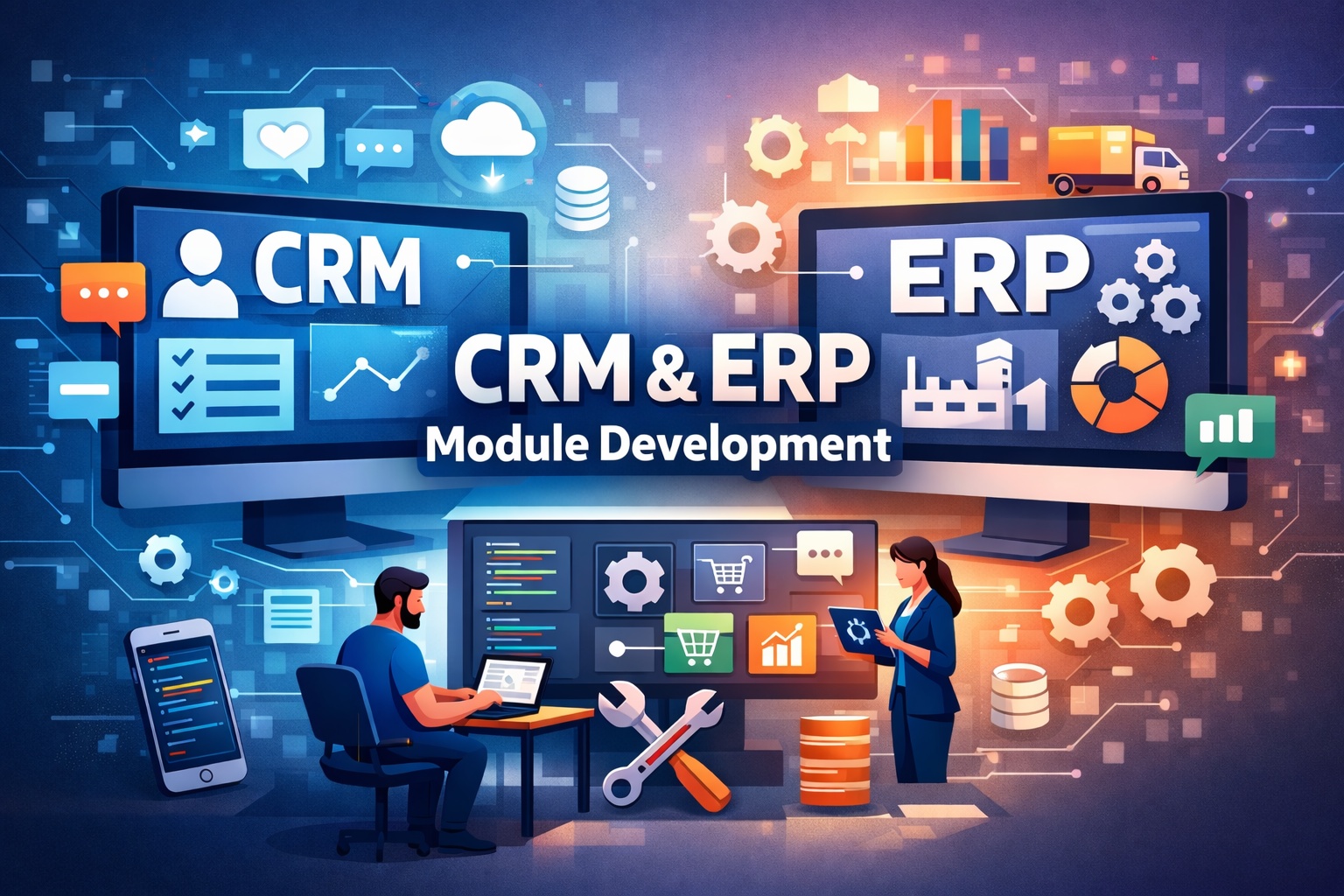
In the evolving landscape of enterprise software, a compelling opportunity has emerged for developers and entrepreneurs: creating specialized modules for Customer Relationship Management (CRM) and Enterprise Resource Planning (ERP) systems. These platforms, which form the operational backbone of modern businesses, have increasingly embraced ecosystem models that allow third-party developers to extend their functionality. The result is a thriving marketplace economy where innovative solutions can reach millions of potential customers through established distribution channels.
The Rise of Platform Ecosystems
The shift toward platform ecosystems represents a fundamental change in how enterprise software operates. Major vendors like Salesforce, SAP, Microsoft, Oracle, HubSpot, and Zoho have recognized that no single company can build every feature their diverse customer base requires. Instead, they have opened their platforms to external developers, creating marketplaces where specialized solutions can flourish.
Salesforce's AppExchange, launched in 2005, pioneered this model and now hosts thousands of applications serving millions of users. Microsoft's AppSource, SAP's Store, and HubSpot's App Marketplace have followed suit, each creating vibrant ecosystems where third-party developers can distribute their work. These marketplaces handle discovery, distribution, billing, and often provide a layer of trust through review processes and certifications.
Why This Opportunity Is Compelling
Several factors make CRM and ERP module development an attractive venture.
First, there is built-in market access. Rather than building an audience from scratch, developers can tap into existing user bases numbering in the hundreds of thousands or millions. A Salesforce customer searching for a specific capability will naturally look to the AppExchange first, providing organic discovery that would be expensive to replicate independently.
Second, the problems are clearly defined. Businesses using CRM and ERP systems have well-understood needs. They require better reporting, industry-specific workflows, integrations with other tools, compliance features, and enhanced user interfaces. This clarity reduces the guesswork inherent in product development.
Third, recurring revenue models predominate. Most marketplace modules operate on subscription pricing, creating predictable, growing revenue streams rather than one-time sales. A module priced at $20 per user per month can generate substantial income as adoption grows, and customer lifetime value tends to be high given the switching costs involved.
Fourth, the barriers to entry are surmountable. While building a complete CRM or ERP system would require massive investment, creating a focused module that solves a specific problem is achievable for small teams or even individual developers. The platforms provide APIs, documentation, development tools, and sandboxes that lower the technical barriers considerably.
Categories of Opportunity
The range of modules that can succeed in these marketplaces is broad. Integration connectors that link CRM and ERP systems to other business tools remain perpetually in demand. As companies adopt more specialized software, the need to synchronize data between systems grows.
Industry-specific solutions represent another rich vein. A generic CRM cannot anticipate the unique requirements of healthcare providers, real estate agencies, or manufacturing firms. Modules that adapt platforms to vertical markets command premium pricing and face less competition than horizontal tools.
Workflow automation and productivity enhancements help users accomplish more with less effort. These might include advanced approval processes, document generation tools, or AI-powered assistants that surface relevant information at the right moment.
Compliance and security modules address the regulatory requirements that vary by geography and industry. GDPR, HIPAA, SOX, and countless other frameworks create needs that core platforms may address only partially.
Analytics and reporting tools that transform raw data into actionable insights fill gaps left by native capabilities. Custom dashboards, forecasting models, and data visualization components can differentiate businesses in competitive markets.
Challenges to Consider
This opportunity is not without obstacles. Competition in popular categories can be fierce, requiring differentiation through superior functionality, user experience, or support. The certification and review processes of major marketplaces demand investment in quality and security practices.
Platform dependency creates risk. Changes to APIs, pricing structures, or marketplace policies can affect module viability. Successful developers often diversify across multiple platforms or maintain some independence through direct sales channels.
Customer acquisition, while aided by marketplace presence, still requires effort. Standing out among thousands of listings demands attention to marketing, reviews, case studies, and potentially partnership programs offered by platform vendors.
Support and maintenance obligations grow with the customer base. Enterprise customers expect responsive assistance and regular updates that keep pace with platform changes.
Building for Success
Those who succeed in this space typically share certain characteristics. They possess deep understanding of their target platform, often gained through implementation experience or consulting work. They focus narrowly, solving one problem exceptionally well rather than building sprawling feature sets. They invest in user experience, recognizing that enterprise software need not be clunky or confusing. They engage authentically with their user communities, treating feedback as a gift and customers as partners.
Starting with a genuine problem observed in the field provides the strongest foundation. Consultants and system integrators who repeatedly encounter the same gaps in platform functionality are ideally positioned to productize solutions they have already built for individual clients.
Conclusion
The marketplace model has democratized access to enterprise software customers in a way that was unimaginable two decades ago. Developers who identify genuine needs, build elegant solutions, and navigate the platform ecosystems skillfully can build sustainable businesses with relatively modest initial investment. The opportunity rewards those who combine technical capability with business acumen and genuine empathy for the users they serve. As CRM and ERP systems continue their expansion into every corner of business operations, the appetite for specialized modules that extend their reach will only grow.
0 Comments